Get Residential Siding Installation
Residential siding installation services help property owners upgrade or replace worn or damaged siding with various materials, protecting buildings and enhancing curb appeal through professional projects.
If you’re considering residential siding installation, you’ve come to the right place to begin exploring your options. Property owners in the area often look into siding updates to improve curb appeal, enhance energy efficiency, or protect their homes from the elements. Understanding the different types of siding materials and the benefits they offer can help you make informed decisions as you plan your project.
Finding the right local contractors to handle siding installation is an important step in achieving your home improvement goals. Comparing service providers in the area can ensure you select experienced professionals who can deliver quality results. Keep reading to learn more about how to connect with trusted local experts for your siding needs.
- Vinyl Siding Installation - ideal when updating or replacing aging or damaged vinyl siding on residential homes.
- Fiber Cement Siding Installation - suitable for homeowners seeking durable, fire-resistant siding options.
- Wood Siding Installation - recommended for those wanting a classic, natural exterior appearance.
- Metal Siding Installation - appropriate for properties requiring weather-resistant and low-maintenance siding solutions.
- Insulated Siding Installation - beneficial when improving energy efficiency and exterior comfort.
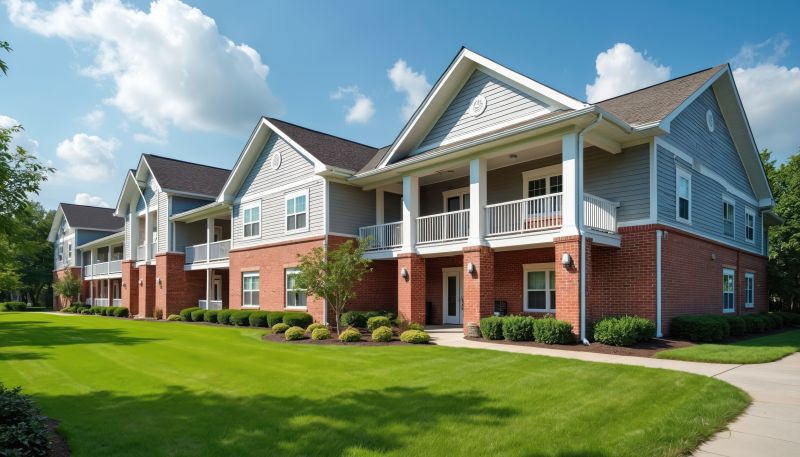
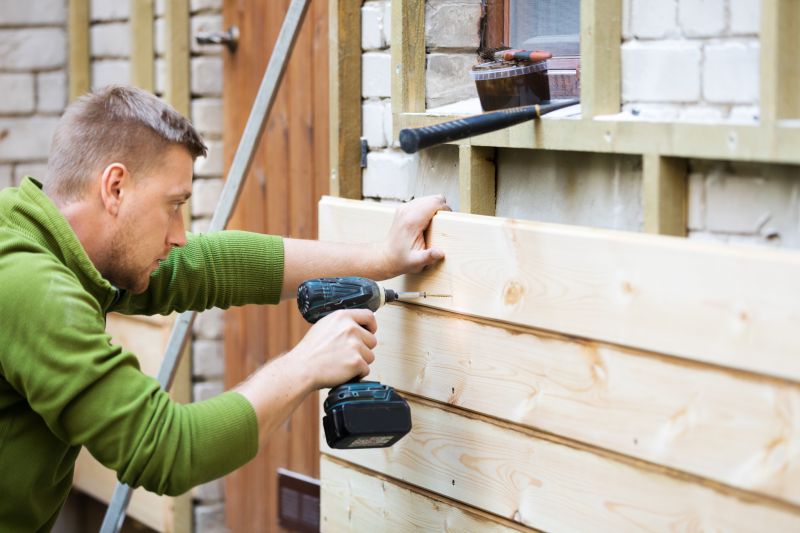
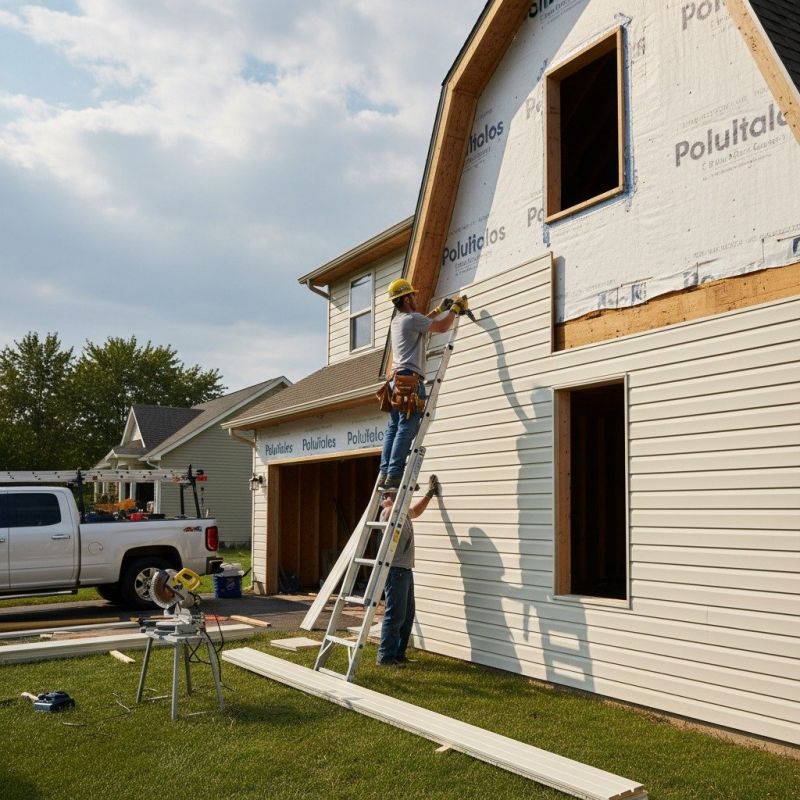
Residential siding installation involves attaching new exterior cladding to the outside of a home to enhance its appearance and protect the structure. This service typically includes removing old or damaged siding, preparing the surface, and carefully installing the new material to ensure durability and a polished look. Skilled contractors may work with a variety of siding options, such as vinyl, fiber cement, wood, or composite materials, to match the style and needs of each property. Proper installation is essential to prevent issues like water infiltration, mold, or structural damage, making this a vital upgrade for many homeowners.
This service helps address common problems related to aging or damaged siding. Over time, exposure to weather elements can cause siding to crack, warp, or fade, which not only diminishes curb appeal but also leaves the home vulnerable to moisture intrusion and pests. Installing new siding can effectively seal the exterior, reducing energy costs by improving insulation and preventing drafts. It also provides an opportunity to update the home's look, increasing its overall value and aesthetic appeal. Homeowners experiencing peeling paint, rotting wood, or frequent repairs might find siding replacement to be a practical solution.
Properties that typically benefit from siding installation include single-family homes, townhouses, and multi-family residential buildings. Homes in regions with harsh weather conditions often require durable siding options to withstand wind, rain, snow, or intense sunlight. Siding installation is also common when a property is undergoing renovations or preparing for sale, as it can significantly boost curb appeal and market value. Whether a residence needs a minor refresh or a complete exterior overhaul, local contractors can provide tailored solutions to meet the specific needs of each property.
Homeowners considering siding installation should look for local service providers experienced in handling residential projects. These professionals can assess the current condition of a home’s exterior, recommend suitable siding materials, and perform the installation efficiently. Choosing the right siding not only improves the home's appearance but also enhances its protection against the elements. By connecting with reputable local contractors, homeowners can find the expertise needed to ensure a high-quality installation that meets their aesthetic and functional goals.
The overview below groups typical Residential Siding Installation projects into broad ranges so you can see how smaller, mid-sized, and larger jobs often compare in your area.
In many markets, a large share of routine jobs stays in the lower and middle ranges, while only a smaller percentage of projects moves into the highest bands when the work is more complex or site conditions are harder than average.
Smaller Repairs - minor siding repairs typically cost between $250 and $600, covering patching or replacing small sections. Many routine jobs fall within this range, depending on the extent of damage and materials used.
Mid-Range Projects - replacing or upgrading siding on a standard-sized home usually ranges from $3,000 to $8,000. Most homeowners find their projects in this band, which balances material choices and scope of work.
Full Siding Replacement - complete siding overhauls for larger homes or extensive renovations can cost $10,000 to $20,000 or more. Larger, more complex projects can reach $25,000+, but fewer projects tend to fall into this higher tier.
Material Costs - the cost of siding materials varies widely, with options like vinyl often costing $2-$7 per square foot, while premium materials such as fiber cement or wood can range from $8-$15+ per square foot. Material choices significantly influence overall project costs.
Actual totals will depend on details like access to the work area, the scope of the project, and the materials selected, so use these as general starting points rather than exact figures.
Exterior Wall Cladding - Local contractors skilled in siding installation often handle exterior wall cladding projects, which require similar planning, tools, and surface preparation techniques.
Home Renovation and Remodeling - Renovation projects that involve updating or replacing exterior surfaces share skills in surface prep, material handling, and detailed planning with siding installation services.
Deck and Porch Construction - Building decks and porches involves understanding of framing, surface leveling, and material installation, paralleling the skills used in siding projects.
Window and Door Installation - Installing windows and doors requires precise measurements and sealing techniques, which are also important in ensuring siding is properly fitted and weather-resistant.
Exterior Insulation and Finishing - Applying exterior insulation systems and finishes involves surface preparation and material application similar to siding installation processes.
Roofing and Gutter Installation - Roofing projects demand surface assessment and attachment techniques that complement siding work, especially at roof-to-wall transitions and eaves.
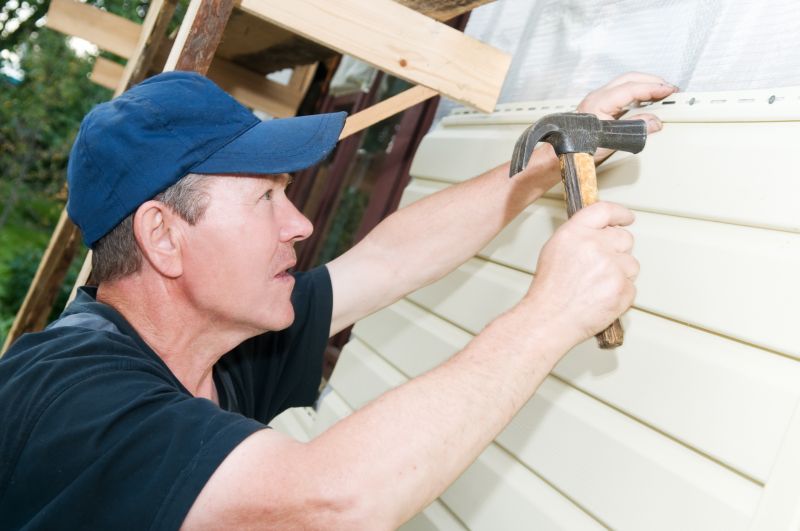
When comparing residential siding installation service providers, it is important to consider their experience with similar projects. Homeowners should look for local contractors who have a proven track record of completing siding installations comparable in scope and style to the desired project. An experienced professional will be familiar with various siding materials, installation techniques, and common challenges, which can contribute to a smoother process and a more durable result. Checking the background of local service providers can help ensure that they have the practical knowledge needed to handle the specific requirements of the home.
Clear written expectations are essential when evaluating siding installation options. Homeowners should seek out contractors who provide detailed estimates and scope of work, outlining the materials, processes, and responsibilities involved. Transparent communication about what is included in the project helps prevent misunderstandings and ensures that everyone is aligned on the work to be performed. Establishing clear expectations early on can lead to a more efficient project and a final result that meets the homeowner’s preferences and standards.
Reputable references and good communication are key factors in selecting the right local service providers. Homeowners should ask for references from previous clients who had similar siding projects completed, and follow up to learn about their experiences. Additionally, service providers who demonstrate responsiveness and clarity in their communication can make the process more straightforward and less stressful. While the site introduces homeowners to local pros capable of handling siding installations, it is ultimately up to the homeowner to evaluate these aspects to find trustworthy and effective contractors for the job.
Property owners use Residential Siding Installation services for practical projects around their homes and businesses. This guide focuses on everyday jobs and straightforward project options.
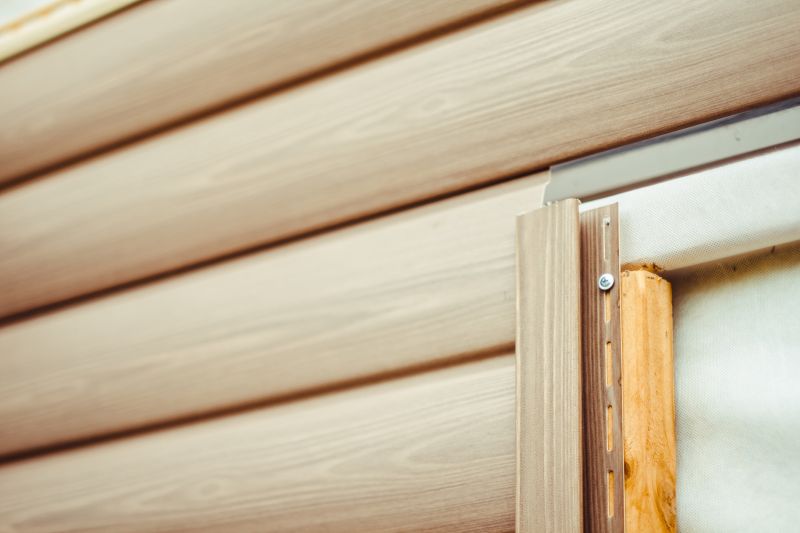
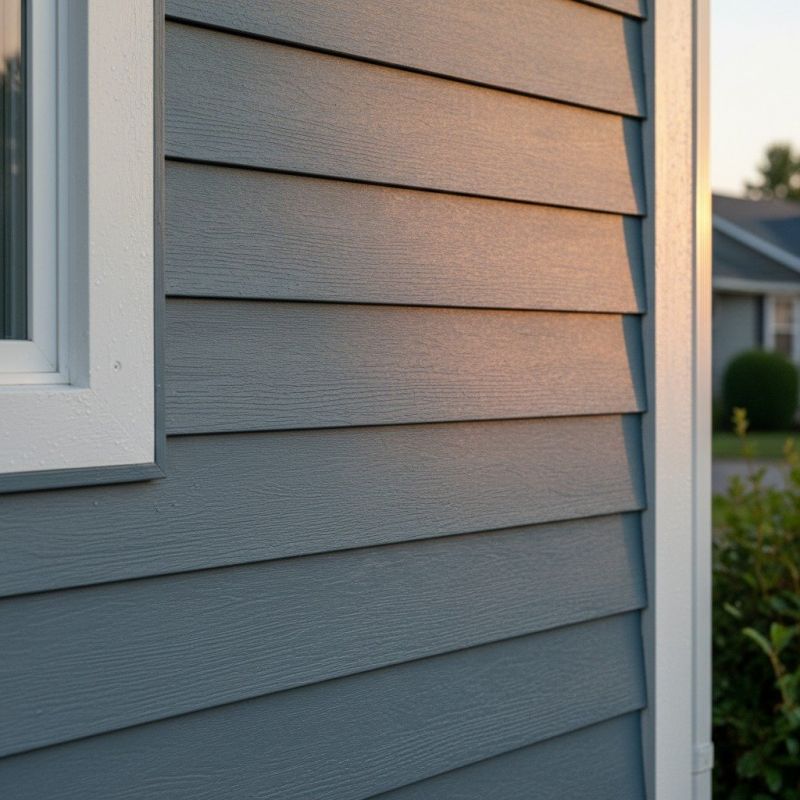
Residential siding installation is a common project for property owners dealing with weathered, damaged, or outdated exteriors. Local contractors are often called upon when homes need a fresh look, improved insulation, or to repair siding that has been compromised by storms or age. Whether replacing old materials or installing new siding to enhance curb appeal, property owners seek experienced service providers who can handle these upgrades efficiently and effectively.
Many homeowners consider siding updates as part of routine home maintenance or when preparing a property for sale. Local service providers can assist with a variety of siding options to match aesthetic preferences and functional needs. From minor repairs to complete installations, property owners look for trusted contractors who can deliver quality results that protect and improve their homes.
What types of siding materials do local contractors install? Local contractors typically install a variety of siding materials including vinyl, fiber cement, wood, and aluminum to suit different home styles and preferences.
How can I determine which siding option is best for my home? Consulting with local service providers can help assess your home's needs, style, and durability preferences to recommend suitable siding options.
Are there any preparation steps required before siding installation? Yes, local contractors usually evaluate the existing exterior, make necessary repairs, and prepare the surface to ensure proper siding installation.
What maintenance is generally needed after siding installation? Maintenance requirements depend on the siding material but often include periodic cleaning and inspections to preserve appearance and performance.
Do local contractors handle siding removal and disposal? Many service providers include removal of old siding and proper disposal as part of their installation services.
Enhance curb appeal - Residential property owners can update their home's exterior with new siding to improve appearance and value.
Improve insulation - Siding installation can help increase energy efficiency by providing better thermal insulation for homes.
Replace damaged siding - Homeowners with weathered or damaged siding can have local contractors replace it for better protection.
Modernize the home's look - Upgrading to contemporary siding styles allows property owners to refresh and modernize their home's exterior.
If you are thinking about Residential Siding Installation for a property, this guide is meant to help you understand the work, the typical project types, and how different options might fit your plans.
When you are ready, you can use the quote form on this page to share a few details about your project. From there, local pros can review the basics and respond with options that match what you have in mind.